

Ventilation Holes in Food Packaging Play an Important Role in Maintaining Food Quality
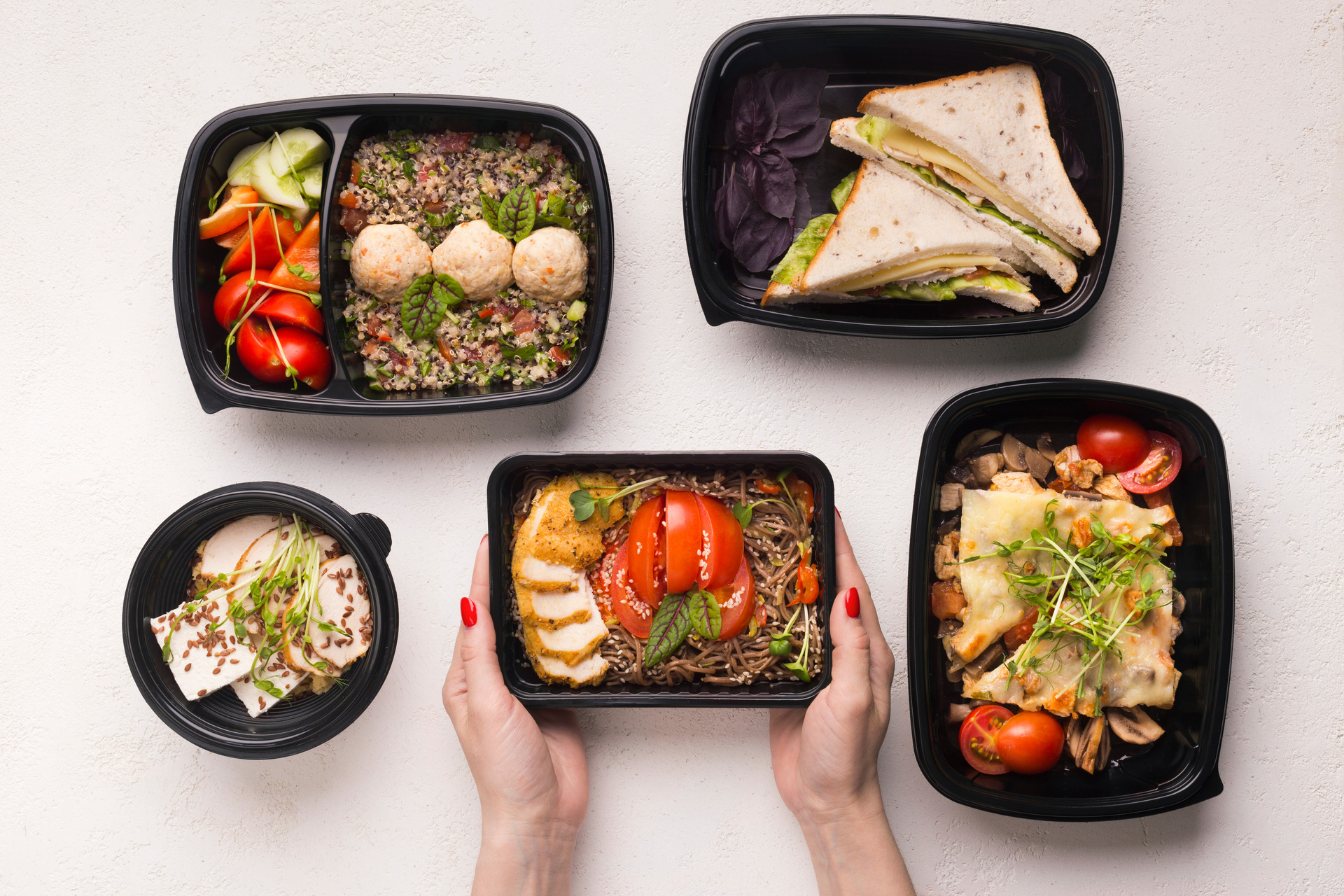

Ventilation can make a noticeable difference in how certain foods hold their texture after packaging”
BATON ROUGE, LA, UNITED STATES, November 2, 2026 /EINPresswire.com/ -- Ventilation holes in food packaging serve a functional purpose that extends beyond the appearance of the container. Small openings in boxes, cartons, clamshell containers, and other food packaging materials can influence how heat, moisture, and air move around packaged food. These factors can affect texture, appearance, and overall food quality, particularly when food is transported or held for extended periods.— Destin Pizer
According to Schneider Paper Products, a food packaging and paper products company based in Baton Rouge, Louisiana, ventilation requirements vary depending on the type of food, packaging material, temperature, and intended holding conditions.
Understanding how ventilation affects packaged food can help explain why certain containers incorporate openings while others are designed to remain relatively closed.
Ventilation Helps Control Moisture Accumulation
One of the primary functions of ventilation holes is to allow moisture vapor to escape from packaging.
Freshly prepared foods often release steam as temperatures begin to decrease. When warm food is placed inside a closed container, moisture vapor can accumulate and condense on cooler interior surfaces.
This condensation may eventually collect on the food itself.
For foods intended to maintain a crisp or firm texture, excess moisture can create undesirable changes.
Fried chicken, french fries, breaded seafood, and other crispy foods are particularly sensitive to moisture accumulation.
"Ventilation can make a noticeable difference in how certain foods hold their texture after packaging," said Destin Pizer with Schneider Paper Products in Baton Rouge, Louisiana. "When steam becomes trapped inside a container, condensation can affect the food before it reaches the person receiving the order."
Ventilation openings allow some of that moisture to escape, potentially reducing condensation inside the package.
Heat Retention and Ventilation Require Balance
Although ventilation can help manage moisture, openings also allow heat to escape.
This creates an important consideration when selecting packaging for hot foods.
A completely sealed container may retain heat more effectively under certain conditions, but it can also trap steam.
A highly ventilated container may reduce moisture accumulation while allowing the food to cool more quickly.
The appropriate balance depends on the characteristics of the food and the expected time between preparation and consumption.
For example, a container holding crispy fried food may require different ventilation characteristics than packaging intended for soup, pasta, or other moisture-rich dishes.
Packaging design must therefore consider both temperature retention and moisture movement.
Fried Foods Are Particularly Sensitive to Trapped Steam
Fried foods commonly contain a crisp exterior produced during cooking.
After preparation, residual heat causes moisture to continue moving from the interior toward the surface.
When the food is placed inside a closed container, steam can accumulate and increase humidity around the product.
As moisture collects, the crisp exterior may soften.
Ventilation openings can help release moisture vapor and reduce the conditions contributing to sogginess.
However, ventilation alone does not guarantee that fried foods will maintain their original texture.
Food temperature, coating composition, container material, portion size, and holding duration also influence the outcome.
"Different foods respond differently to the conditions inside packaging," Pizer explained. "A container suitable for a moist entrée may not provide the same results for fried foods that depend on a crisp exterior."
Pizza Boxes Demonstrate the Role of Ventilation
Pizza packaging provides a familiar example of how ventilation affects food quality.
Freshly baked pizza releases heat and moisture after leaving the oven.
When enclosed inside a cardboard box, steam can collect beneath the lid.
Ventilation openings may allow some moisture to escape, helping reduce condensation that can soften the crust.
However, excessive ventilation can contribute to heat loss during transportation.
Pizza box design therefore involves balancing moisture release, insulation, structural stability, and delivery conditions.
The effectiveness of ventilation also depends on factors such as pizza temperature, travel duration, and the surrounding environment.
Fresh Produce Has Different Ventilation Requirements
Ventilation is not limited to prepared foods.
Fresh fruits and vegetables continue to respire after harvesting, consuming oxygen and releasing carbon dioxide, moisture, and heat.
Packaging ventilation can influence the atmosphere surrounding produce and help manage moisture accumulation.
Different produce varieties have different respiration rates and storage requirements.
For some products, insufficient ventilation may contribute to condensation and conditions favorable to microbial growth.
However, excessive airflow can increase moisture loss and contribute to dehydration or wilting.
Produce packaging may therefore incorporate carefully selected openings, breathable materials, or modified-atmosphere designs.
Ventilation requirements depend on the product, storage temperature, and intended distribution conditions.
Packaging Materials Influence Airflow and Moisture Behavior
The effectiveness of ventilation openings depends partly on the material used to manufacture the container.
Paperboard, corrugated cardboard, molded fiber, plastic, and other packaging materials have different thermal and moisture-related properties.
Some paper-based materials can absorb limited amounts of moisture, while certain plastic containers may retain more visible condensation.
Container shape, wall thickness, lid design, and the placement of ventilation openings can also influence airflow.
Two containers with similar openings may perform differently because of differences in construction and material properties.
Selecting packaging therefore involves considering the complete container design rather than evaluating ventilation holes alone.
Transportation Conditions Affect Packaged Food
Food quality can change during transportation because of temperature fluctuations, handling, travel duration, and surrounding humidity.
In Louisiana, warm and humid environmental conditions may influence how packaged foods cool and how moisture behaves inside containers.
Delivery bags and insulated carriers can also affect ventilation by restricting airflow around individual packages.
A container designed with ventilation openings may not release moisture as effectively if those openings become blocked by surrounding materials.
Stacking containers can produce similar effects.
Consequently, packaging performance depends on both container design and the conditions encountered after food leaves the preparation area.
Ventilation Does Not Replace Food Safety Controls
Although ventilation can influence texture and condensation, it should not be confused with a method of controlling foodborne illness risks.
Food safety depends on appropriate preparation, handling, sanitation, and temperature management.
Ventilation openings do not replace required hot-holding, cold-holding, or transportation temperature controls.
For foods requiring temperature regulation, packaging decisions must account for applicable food safety requirements.
Containers should also protect food from physical contamination during handling and delivery.
Packaging Design Depends on Food Characteristics
Different foods require different packaging conditions.
Crispy foods may benefit from moisture release, while other products may require greater moisture retention.
Fresh produce may need controlled gas exchange, while liquid foods generally require secure containment.
"Ventilation openings are one part of a larger packaging design decision," Pizer said. "The type of food, expected holding time, and transportation conditions all influence whether ventilation is appropriate and how the container should function."
Understanding these differences helps explain why food packaging incorporates a variety of materials, structures, and ventilation designs.
About Schneider Paper Products
Schneider Paper Products is a paper products and foodservice packaging company based in Baton Rouge, Louisiana. The company provides packaging and paper-related products used by restaurants, foodservice operations, and other commercial businesses.
Morgan Thomas
Rhino Digital, LLC
+1 504-875-5036
email us here
Visit us on social media:
Facebook
Legal Disclaimer:
EIN Presswire provides this news content "as is" without warranty of any kind. We do not accept any responsibility or liability for the accuracy, content, images, videos, licenses, completeness, legality, or reliability of the information contained in this article. If you have any complaints or copyright issues related to this article, kindly contact the author above.
